Answer First
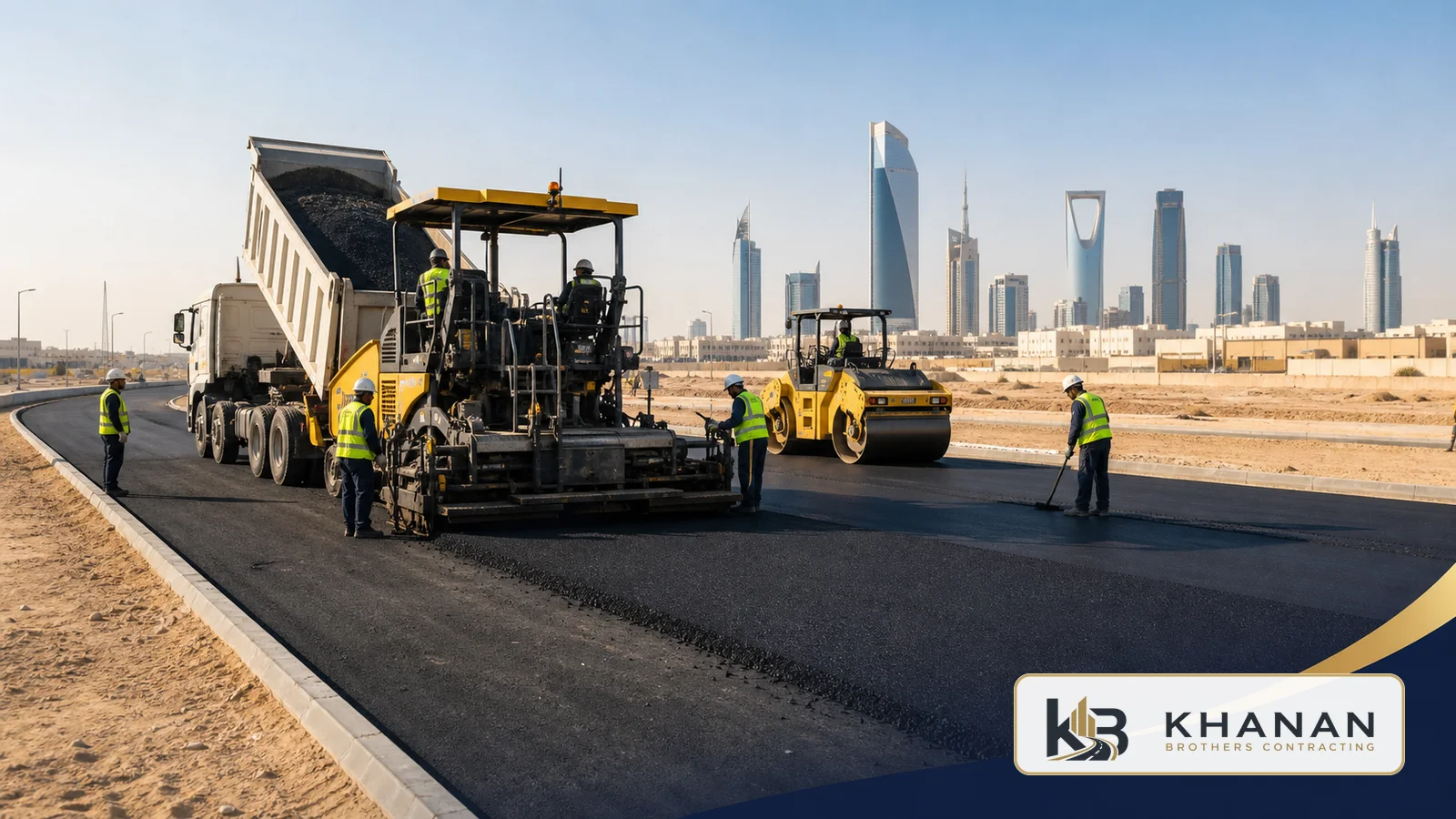
Ground preparation before asphalt is the process of clearing the site, correcting weak soil, shaping the level, building a compacted base, and creating drainage slope so the asphalt layer has stable support under traffic.
Why Ground Preparation Decides Asphalt Life
Asphalt does not perform well on weak, loose, wet, or uneven ground. The asphalt layer follows the strength of the surface below it. A smooth new layer can crack or sink when the base is poor.
Ground preparation creates the pavement foundation. The work includes clearing, excavation, filling, grading, moisture control, compaction, and primer application. These steps decide whether the asphalt surface can carry daily traffic.
A contractor that focuses only on the black surface misses the most important part of the job. Good asphalt starts before the asphalt truck reaches the site.
Step 1: Site Inspection and Measurement
The contractor must inspect the site before preparing the ground. The inspection checks area size, existing surface, soil condition, access, drainage, traffic load, surrounding levels, and obstacles.
Measurements help calculate material quantity, base depth, asphalt quantity, machinery needs, and project timeline. A site with narrow access may need smaller equipment. A large open yard may need grader, loader, dump truck, and roller compactor.
Photos are useful for first review, but physical inspection gives better information about soft ground, hidden low points, water flow, and base condition.
Step 2: Clearing and Removing Weak Material
Site clearing removes loose soil, debris, old broken asphalt, unstable material, vegetation, and waste. Asphalt should not be placed over dirty or moving material.
Weak material must be excavated where needed. Leaving weak spots creates future settlement. The contractor should identify soft areas, wet pockets, loose fill, and unstable edges.
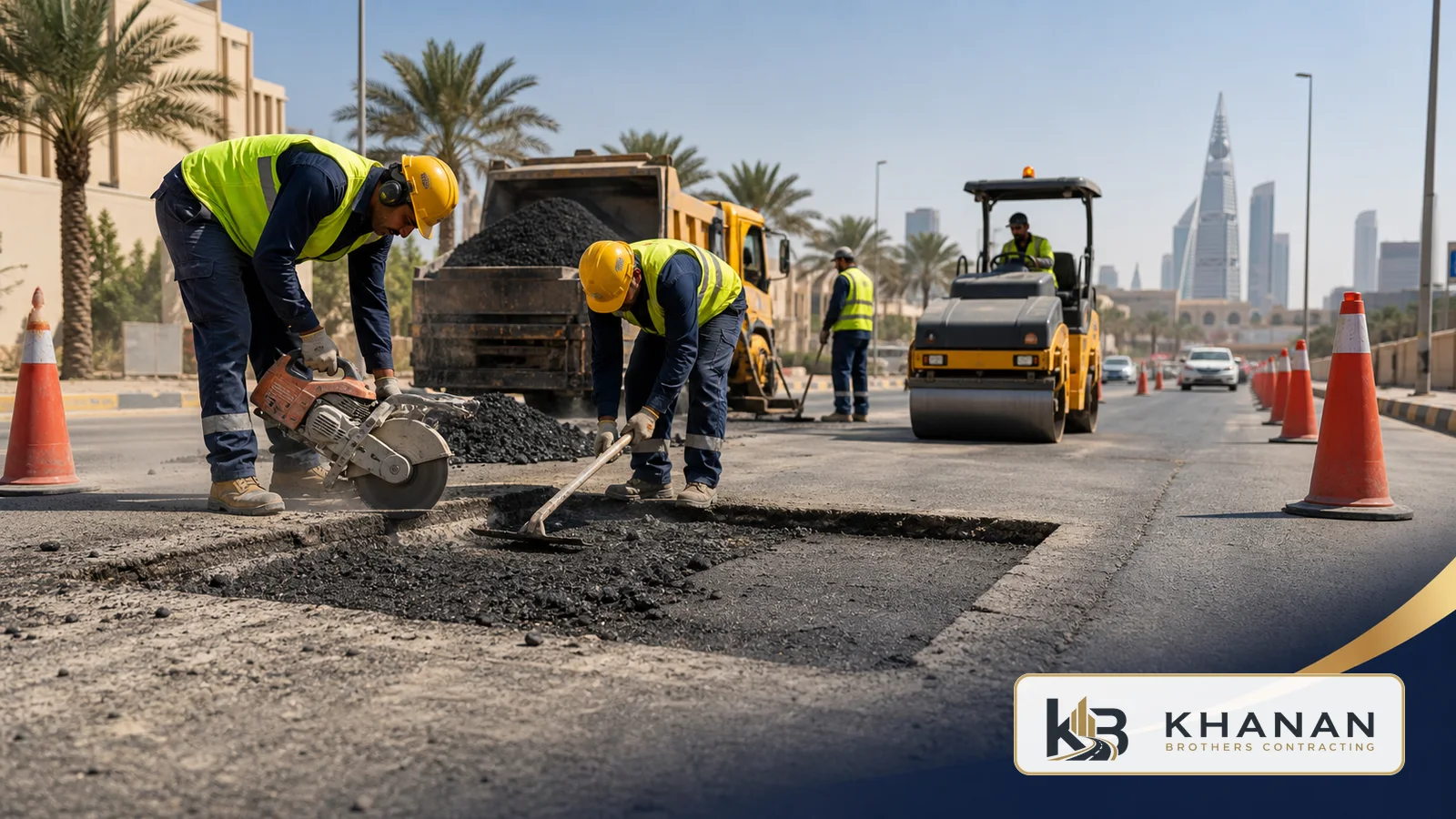
Old asphalt may be removed fully or partly depending on condition. Stable old pavement can sometimes support resurfacing, but broken pavement with base failure needs deeper correction.
Step 3: Subgrade Preparation
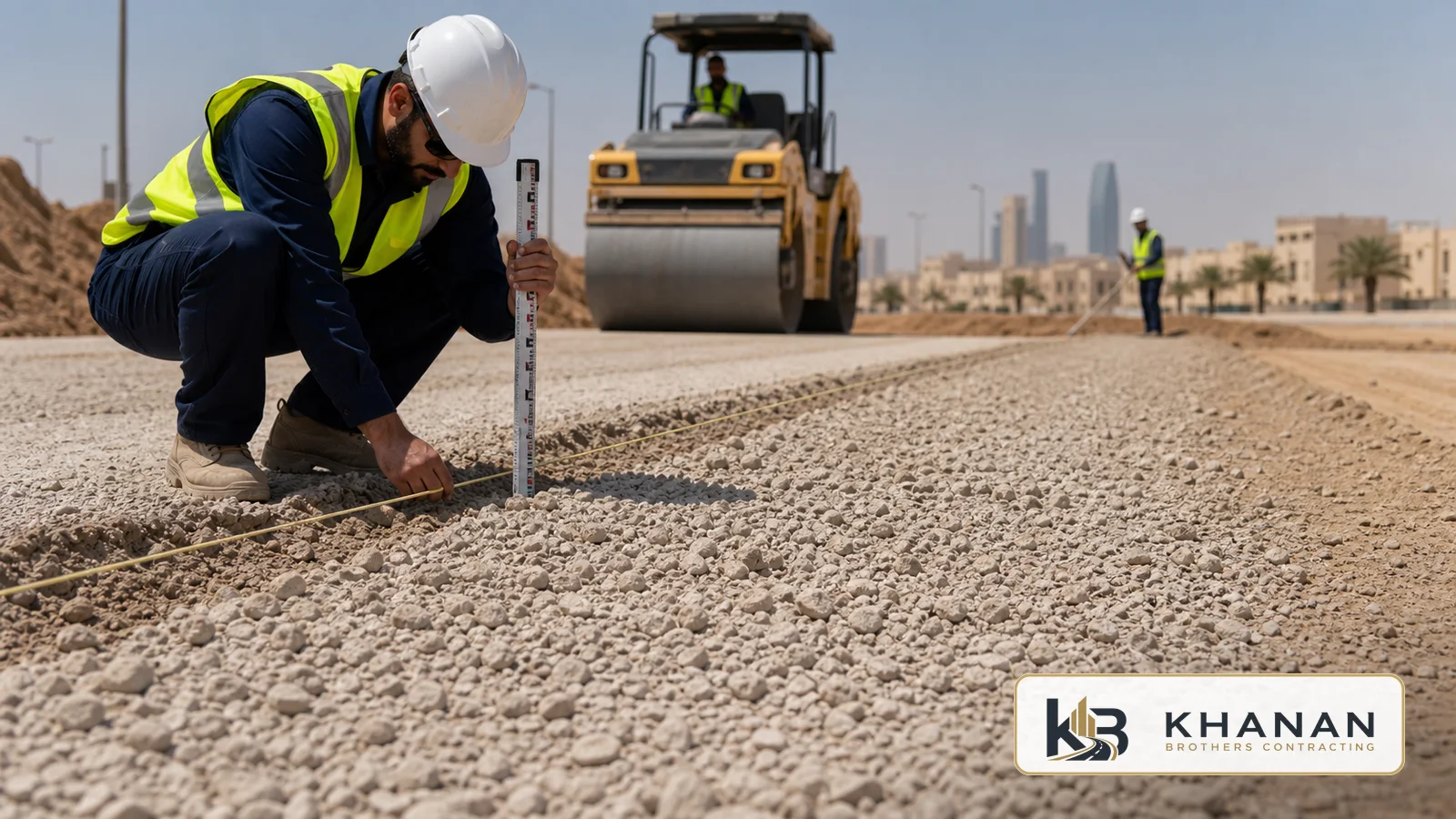
The subgrade is the prepared ground below the base. It must be shaped and compacted before base material is added. The subgrade carries the load from the asphalt, base, and vehicles.
Subgrade problems include soft soil, loose fill, high moisture, poor level, and uneven support. These problems cause cracks, rutting, and depressions after paving.
Good subgrade preparation may include drying, replacement, leveling, compaction, or adding suitable material. The right method depends on soil condition and traffic load.
Step 4: Base and Sub-Base Construction
The base and sub-base layers spread vehicle load across the ground. These layers are often made from suitable aggregate or granular material placed in controlled thickness and compacted layer by layer.
Base quality matters because heavy vehicles push down through the asphalt surface. A poor base moves under pressure and cracks the asphalt above it.
The contractor must place base material evenly, control moisture, compact properly, and check levels before moving to the next step. Thick loose layers should not be compacted in one pass because density will not be even.
Step 5: Grading and Level Control
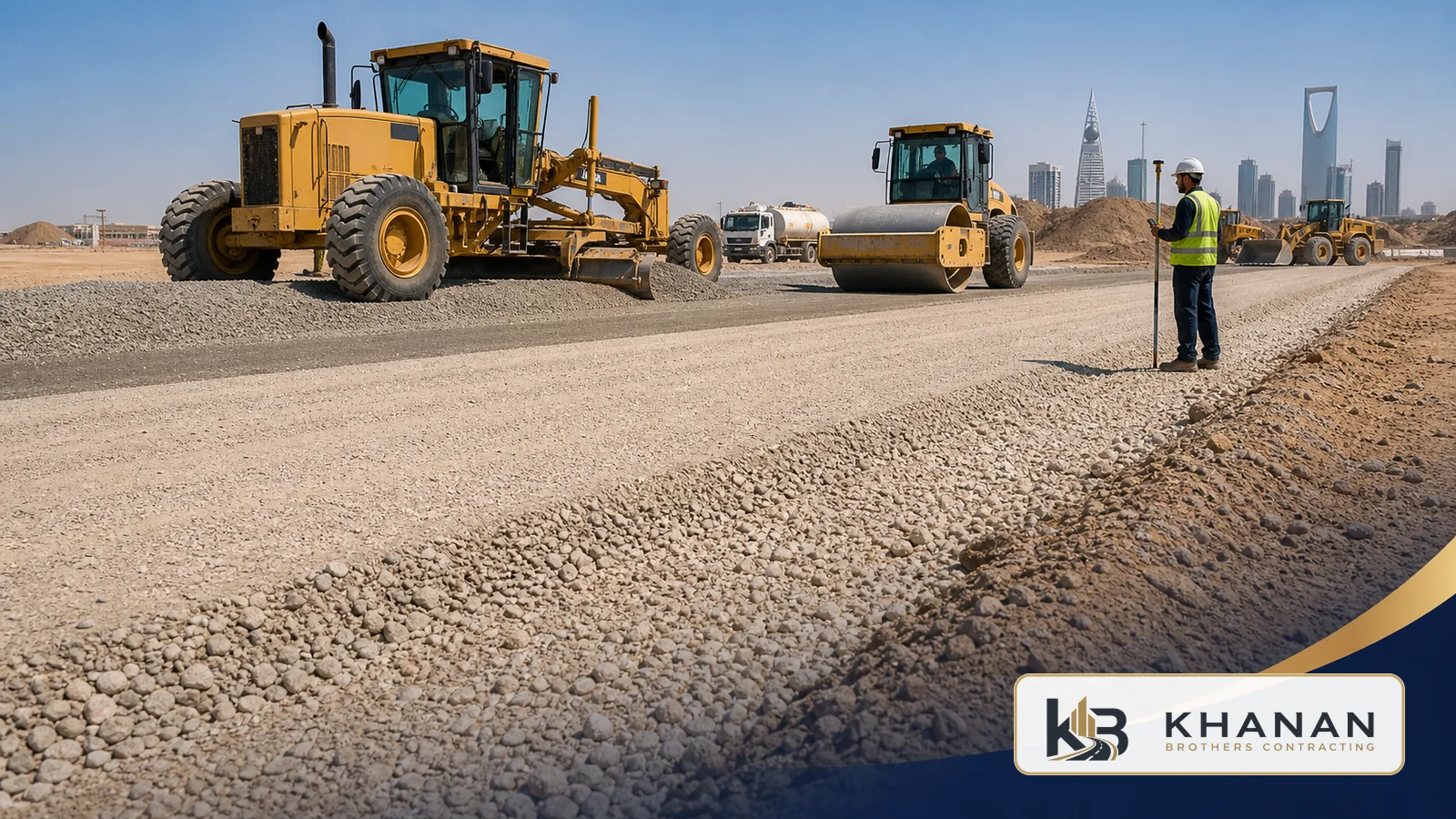
Grading shapes the site to the correct level and slope. A motor grader or skilled equipment operator can create smooth levels before asphalt placement.
Correct grading prevents bumps, low spots, and water pockets. The surface should connect properly with gates, roads, drains, buildings, and existing pavement.
Level control is important for parking areas, roads, and yards. Poor grading creates drainage problems, unsafe movement, and extra asphalt consumption.
Step 6: Compaction Before Asphalt
Compaction increases density and reduces movement. The contractor must compact the subgrade and each base layer before asphalt starts. Loose ground under asphalt is a common cause of failure.
Roller compactors are used for open areas. Mini rollers or plate compactors may be used in tight spaces near walls, gates, and utility covers. The equipment choice depends on access and material type.
Compaction should be even. One soft zone can damage the finished surface, especially where vehicles stop, turn, or carry heavy loads.
Step 7: Drainage Slope and Water Movement
Water must move away from the paved area. Drainage slope should be planned during ground preparation, not after paving. Asphalt placed on a flat or wrongly sloped base will hold water.
The contractor should identify water outlets, low corners, drain positions, building edges, and road connections. The final slope should avoid sending water toward walls, gates, or building entrances.
Good drainage protects edges, joints, base material, and surface quality. Poor drainage causes cracks, potholes, stripping, and settlement.
Step 8: Prime Coat or Tack Coat
A prime coat or tack coat may be used depending on the surface and work method. The purpose is to support bonding between layers and prepare the base or existing surface for asphalt placement.
Primer or tack coat should be applied evenly. Too little material reduces bond. Too much material can create bleeding or surface problems.
The contractor should explain whether MC-1, RC-2, tack coat, or another material is suitable for the project. The choice depends on base type, existing surface, and project scope.
How Khanan Brothers Supports Ground Preparation
Khanan Brothers Contracting provides ground preparation, asphalt laying, repair, spray and sealing, equipment rental, and transport. The company can support site clearing, grading, loading, compaction, spraying, and material movement.
This makes Khanan Brothers useful for projects where asphalt quality depends on both earthwork and paving. Roads, yards, parking areas, entrances, and commercial sites need the base built correctly before asphalt is laid.
Clients can share site photos, measurements, location, and expected vehicle use through WhatsApp, then schedule an inspection for accurate scope and pricing.
Practical Checklist
- Share site location, photos, videos, and approximate dimensions before requesting a quote.
- Ask for a site visit when the surface has cracks, potholes, water problems, or uneven levels.
- Confirm asphalt thickness, base preparation, drainage slope, machinery, and timeline in writing.
- Compare scope details instead of comparing only the lowest price.
- Use Khanan Brothers for asphalt work, repair, ground preparation, equipment support, and transport across Saudi Arabia.
FAQ
Why is ground preparation important before asphalt?
Ground preparation is important because asphalt needs a stable, compacted, and well-drained base to carry traffic.
Can asphalt be placed directly on soil?
Asphalt should not be placed directly on weak or loose soil. The ground needs preparation and a suitable compacted base.
What happens if the base is not compacted?
A loose base can move under traffic and cause cracks, potholes, rutting, and settlement.
Does every site need excavation?
No. Excavation depends on current ground condition, required levels, weak material, and traffic load.
Does Khanan Brothers provide ground preparation?
Yes. Khanan Brothers provides ground preparation as part of asphalt and roadwork support across Saudi Arabia.
Need asphalt support?
Contact Khanan Brothers Contracting for asphalt work, asphalt repair, ground preparation, asphalt equipment rental, spray and sealing, and transport services across Saudi Arabia. Send project photos and site details on WhatsApp to request a fast quote and arrange a site visit.
Request a WhatsApp quote